
Heartland Virus: What To Know About This Overlooked Tick-Borne Illness
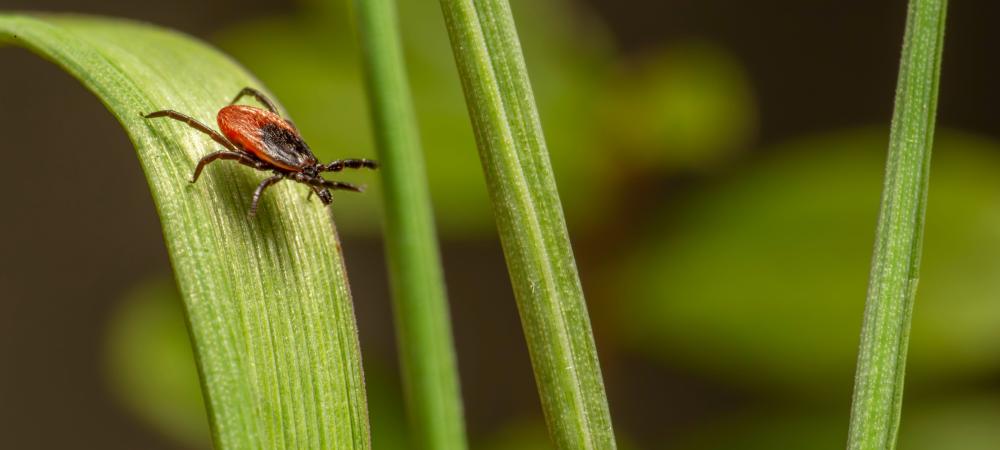
Heartland virus, one of the lesser-known tick-borne illnesses, has been confirmed in a growing number of states since it was first identified in Missouri in 2009. Because it's caused by a virus rather than bacteria, it doesn't get caught by the tests typically ordered when a tick-borne illness is suspected, which means it can be easy to overlook.
What Is Heartland Virus?
Heartland virus is a viral infection spread by ticks. It was first identified in 2009 and has since been confirmed in more than a dozen states across the eastern, southeastern, and south-central U.S. Unlike Lyme disease, anaplasmosis, or ehrlichiosis, which are all caused by bacteria, Heartland virus is caused by a virus. That distinction matters because it changes how the illness is detected, treated, and often missed.
How Do People Get Heartland Virus?
People get Heartland virus from the bite of an infected lone star tick (Amblyomma americanum). This species is identifiable by the single pale spot on the back of adult females and is known for being an aggressive, active biter. Lone star ticks have been expanding their range in recent years, which has widened the areas where exposure is possible, including into regions where the species wasn't historically common.
What Are the Symptoms of Heartland Virus?
Symptoms usually appear within one to two weeks of a tick bite and commonly include:
- Fever
- Fatigue
- Reduced appetite
- Headache
- Nausea or diarrhea
- Muscle and joint pain
- Low white blood cell and platelet counts, which typically show up on bloodwork rather than as a symptom you'd notice yourself
Because these symptoms overlap with the flu and with several other tick-borne illnesses, Heartland virus is easy to mistake for something else, especially in the first few days.
Heartland virus often goes undiagnosed because it doesn't appear on the standard laboratory panels used to test for common tick-borne bacterial infections like ehrlichiosis or anaplasmosis. Since the symptoms look similar to those bacterial illnesses, some patients are initially treated with antibiotics, which have no effect on a viral infection. Identifying it depends on a physician specifically requesting the right test after considering a tick-borne illness as a possibility.
Where Has Heartland Virus Been Found?
Heartland virus has been confirmed in more than a dozen states, mostly concentrated in the eastern, southeastern, and south-central U.S., with cases also documented outside that core range as researchers continue to track its spread. Studies have also found evidence of the virus in wildlife such as deer, raccoons, and coyotes across a wider swath of the country, which suggests the areas where exposure is possible may be broader than confirmed human cases alone would indicate. As lone star ticks continue to expand into new territory, health officials expect the geographic footprint of Heartland virus to keep shifting as well.
How Can You Reduce Your Risk of Heartland Virus?
There is currently no vaccine and no antiviral treatment for Heartland virus, so reducing your risk comes down to reducing tick bites in general. A few habits that help:
- Wear long sleeves and pants during spring and summer months when ticks are most active
- Check your body, clothing, and pets for ticks after being outside
- Shower soon after coming indoors to help wash off ticks that haven't yet attached
- Contact a professional tick control company to help keep tick populations from establishing in the first place
- Keep grass trimmed and clear leaf litter, brush, and tall weeds from around your yard, since these are common areas where ticks wait for a host
If you find an attached tick, remove it with fine-tipped tweezers, pulling straight up with steady pressure rather than twisting. Keep an eye on how you feel over the following two weeks. If fever, fatigue, or flu-like symptoms develop, let your healthcare provider know about the tick bite so a tick-borne illness can be considered as a possible cause.
If you're noticing more tick activity around your property, Green Concepts can help you take proactive measures and talk through options to reduce activity together.