
5 Warning Signs Your Lawn is Suffering from Soil Compaction
Soil compaction occurs when soil particles are pressed so densely together that the pore spaces between them disappear. When this happens, vital oxygen, water, and fertilizer cannot penetrate the surface to reach the grass roots. Essentially, your lawn begins to suffocate.
Over time, normal yard activities, like kids playing, pets running, or even just mowing the lawn, can press the soil particles tightly together. If you suspect your grass is struggling, look out for these five common warning signs of soil compaction.
1. Water Pooling After Rain
After a heavy downpour, water should naturally soak into the ground. If you notice persistent puddles or areas where water pools for hours (or days) after the rain has stopped, your soil is likely too dense to absorb the moisture. This lack of drainage deprives roots of deep hydration and can lead to lawn diseases.
2. The Soil Fails the "Screwdriver Test"
One of the easiest ways to diagnose compacted soil is to perform a simple manual test. Take a standard screwdriver and try to push it into your lawn. If the soil is healthy, the screwdriver should easily slide in about four to six inches. If you meet heavy resistance or cannot pierce the ground at all, the soil is severely compacted.
3. Thinning Grass and Bare Patches
Grass roots need room to expand and grow deep into the earth. When the ground is as hard as a brick, root systems remain shallow and weak. This often presents as overall thinning of the turf, slow growth, or stubborn bare patches that refuse to fill in, no matter how much you water or fertilize.
4. You Have Heavy Clay Soil
Homeowners in the Illinois North Shore often deal with native soils that have a high clay content. Clay soil is naturally dense, sticky, and prone to severe compaction. If your yard is heavily clay-based, it is at a much higher risk for compaction, especially during dry, hot summer months when clay tends to bake and harden.
5. Excessive Water Runoff
Similar to pooling, runoff occurs when water hits the compacted surface and immediately flows away rather than soaking in. If you notice that irrigation water or rainfall is running straight off your lawn and onto the sidewalk or driveway, the turf is not absorbing the moisture it needs to survive.
How Do I Fix Soil Compaction?
The most effective cure for soil compaction is core aeration. If your yard exhibits these signs, simply adding more fertilizer or water will not fix the root of the problem.
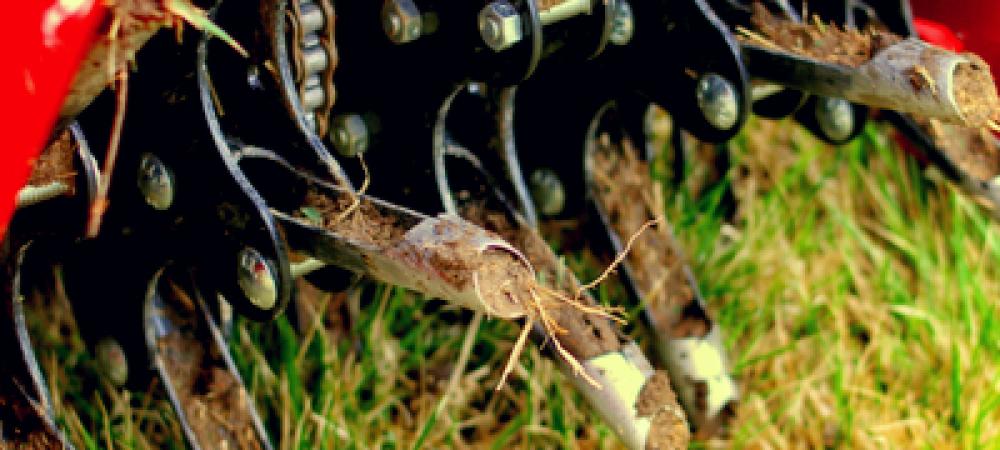
Professional core aeration services involve using specialized equipment to mechanically pull small plugs (or "cores") of soil out of the ground. This process immediately relieves soil tension, creating open channels that allow oxygen, water, and nutrients to finally reach the root zone. Over time, the soil plugs break down on the surface, and the newly aerated roots grow deeper, resulting in a thicker, more resilient lawn.
If hard, compacted soil is holding your grass back, it is time to open things up. Reach out to Green Concepts to get a free quote on aeration services and get your yard back on track for healthy growth.